Understanding Your Options in a Texas Criminal Trial
In a Texas criminal trial, one of the most important decisions you will face is not simply whether to go to trial, but who will decide the outcome. Choosing between a jury trial and a judge trial can significantly affect how your case unfolds and how your future is shaped.
Many people are unaware of how different these two trial paths truly are. At Segura & Kiatta Criminal Defense, we help clients throughout Sugar Land and Fort Bend County understand their options so they can make informed, strategic decisions at every stage of a Texas criminal trial.
What Is a Jury Trial in a Texas Criminal Case?
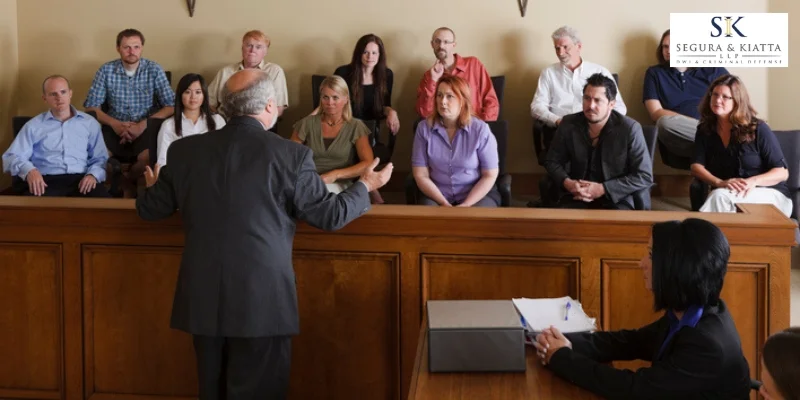
In a Texas criminal trial decided by a jury, the verdict is determined by members of the community rather than by a judge. The number of jurors depends on the type of charge:
Misdemeanor cases are decided by six jurors
Felony cases are decided by twelve jurors
One of the most critical protections in a jury trial is that the verdict must be unanimous. Every juror must agree that the prosecution has proven the case beyond a reasonable doubt. If even one juror is not convinced, the state cannot secure a conviction.
Another important distinction is that jurors only hear evidence that the judge has ruled admissible. If evidence is excluded, the jury never hears it, allowing them to focus solely on what the law permits.
What Is a Judge Trial (Bench Trial) in Texas?
In a Texas criminal trial known as a bench trial, the judge alone determines the outcome. The judge listens to testimony, evaluates witness credibility, rules on legal objections, and decides whether the prosecution has met its burden of proof.
Unlike a jury trial, the judge in a bench trial plays both roles—gatekeeper of evidence and fact-finder. Even when evidence is excluded, the judge may still be aware of it, relying on legal training and experience to disregard inadmissible information.
Both jury trials and judge trials are lawful and effective. However, they operate very differently and require careful strategic consideration.
Key Strategic Differences in a Texas Criminal Trial
The decision between a jury trial and a judge trial is never guesswork. It is based on experience, preparation, and a deep understanding of Texas criminal courts.
A jury trial introduces multiple perspectives. Jurors come from different backgrounds, life experiences, and viewpoints, all of which can influence how evidence is perceived. In some cases, that diversity can benefit the defense. In others, having a single, legally trained decision-maker may offer greater predictability.
While a criminal defense attorney can provide guidance and recommendations, the final decision always belongs to the client. Choosing the right path in a Texas criminal trial requires honest counsel and a clear understanding of the risks and advantages of each option.
Why Experience Matters in a Texas Criminal Trial?
Deciding who will determine your fate is one of the most important choices you will make in a criminal case. That decision should never be made alone.
At Segura & Kiatta Criminal Defense, our role is to guide clients through every aspect of a Texas criminal trial – from evaluating evidence to selecting the trial format that gives them the strongest possible chance for success.
We take the time to explain your options, answer your questions, and build a defense strategy tailored to your case. Our goal is simple: protect your rights, your freedom, and your future.
If you are facing criminal charges in Sugar Land or Fort Bend County, contact our firm today to discuss your case and understand the best path forward in your Texas criminal trial.
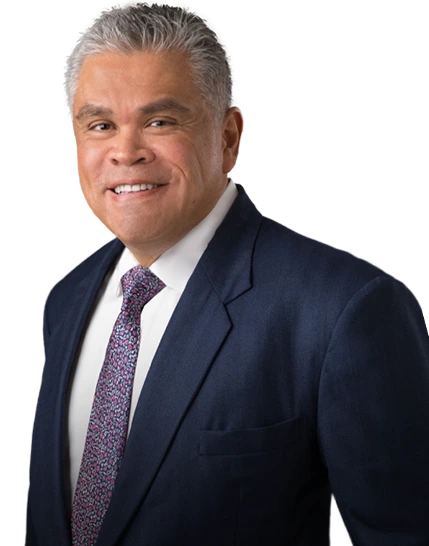
About the author: Anthony R. Segura
Managing Attorney of Segura & Kiatta, Criminal Defense
Anthony R. Segura is the Managing Attorney of Segura & Kiatta LLP in Sugar Land, Texas. He focuses his practice on criminal defense and DWI defense. Licensed by the State Bar of Texas since 1994, Mr. Segura brings decades of courtroom experience to the firm and has led Segura & Kiatta LLP since 2006. He earned his Juris Doctor from South Texas College of Law and represents clients across the Sugar Land area with practical, straightforward legal guidance.